
What it's like to be a professional "trash talker" at reduction in motion
The Mission: Changing the Way You Think About Trash


At Reduction In Motion, we believe that "waste" is often just a misplaced opportunity. Our mission is to help both large and small organizations reduce their environmental impact through innovative programs, culture change, and employee engagement. We don’t just set up bins; we design complete waste management programs including policies, vendor engagement, equipment recommendations, and monitoring tools.
Waste Assessments & Waste Audits
This is where the work starts, and where you begin to understand how facilities really operate. You’ll spend time in active environments—on the floor, in back-of-house areas, and at key points where waste is generated—observing how materials actually move through the system.
The work is hands-on and detail-driven. You’re not relying on reports or assumptions; you’re building a real understanding of where processes break down, where materials are lost, and where opportunities exist to improve performance.
What you’ll be doing:
- Sorting and categorizing waste materials during audits
- Tracking material flow through different areas of a facility
- Identifying contamination and inefficiencies in waste streams
- Documenting findings with accuracy and consistency
- Supporting analysis that leads to operational improvements
This is practical, on-the-ground work that directly informs how facilities reduce cost, improve diversion, and run more effectively.
team insights
-
“You’re not relying on assumptions—you’re seeing what’s actually happening. Audits reveal the gap between what people think is happening and how waste really moves through a facility.”
-
"This work exposes the complexity behind sustainability. Most facilities don’t lack intent—they lack visibility into what’s actually happening on the ground."
Healthcare waste stream assessment

Inside a major academic medical center, our team conducted a detailed waste audit — opening bags and sorting materials to determine what was truly ending up in landfill versus recycling.
24-hour waste characterization study
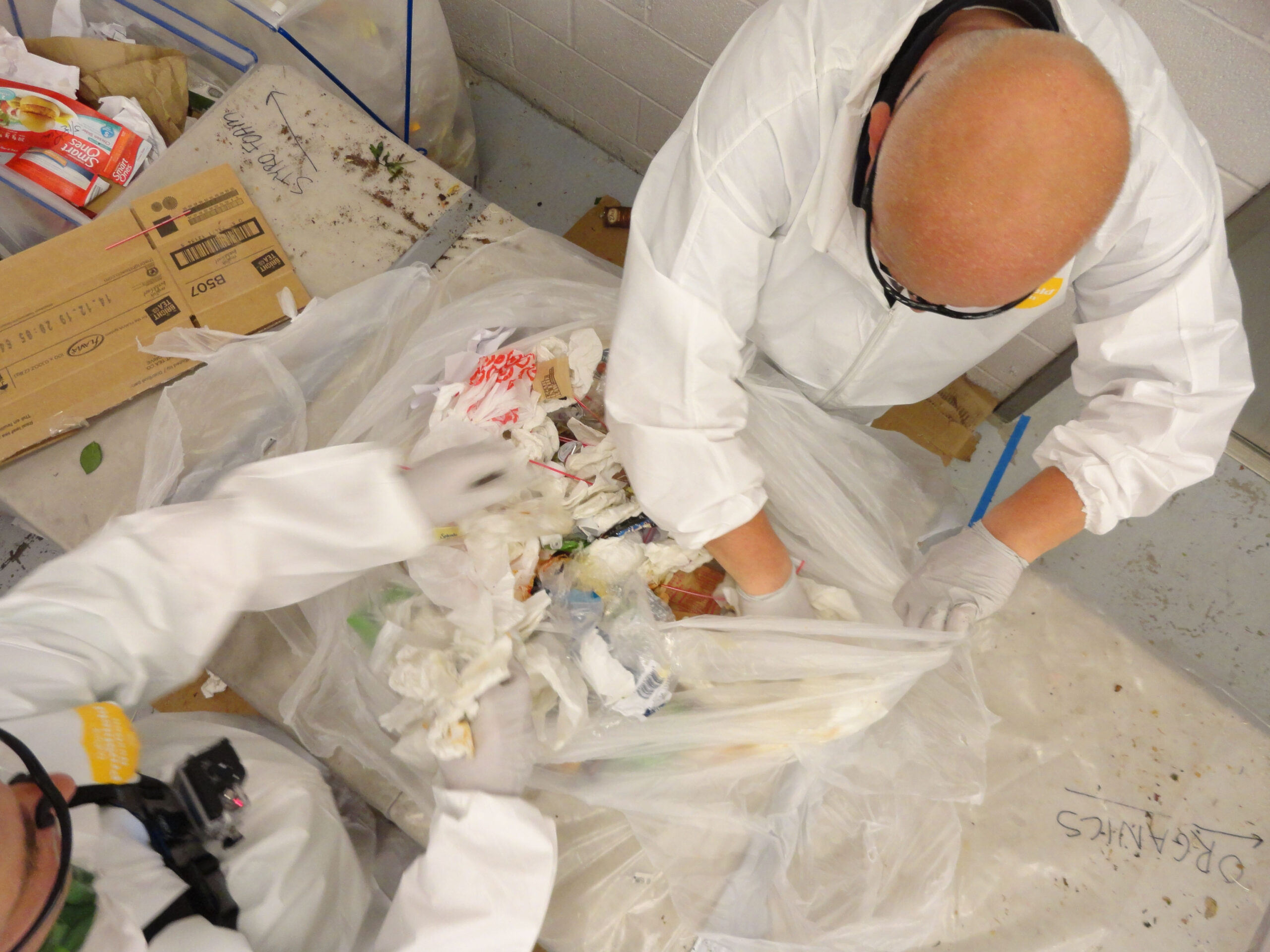
By conducting a full hand-sort of collected waste, we were able to analyze diversion rates and develop a roadmap for improving waste management practices.
Life On-Site: Beyond the Desk
If you enjoy variety and being active, you'll fit right in. Our work takes us across the country and into diverse environments.

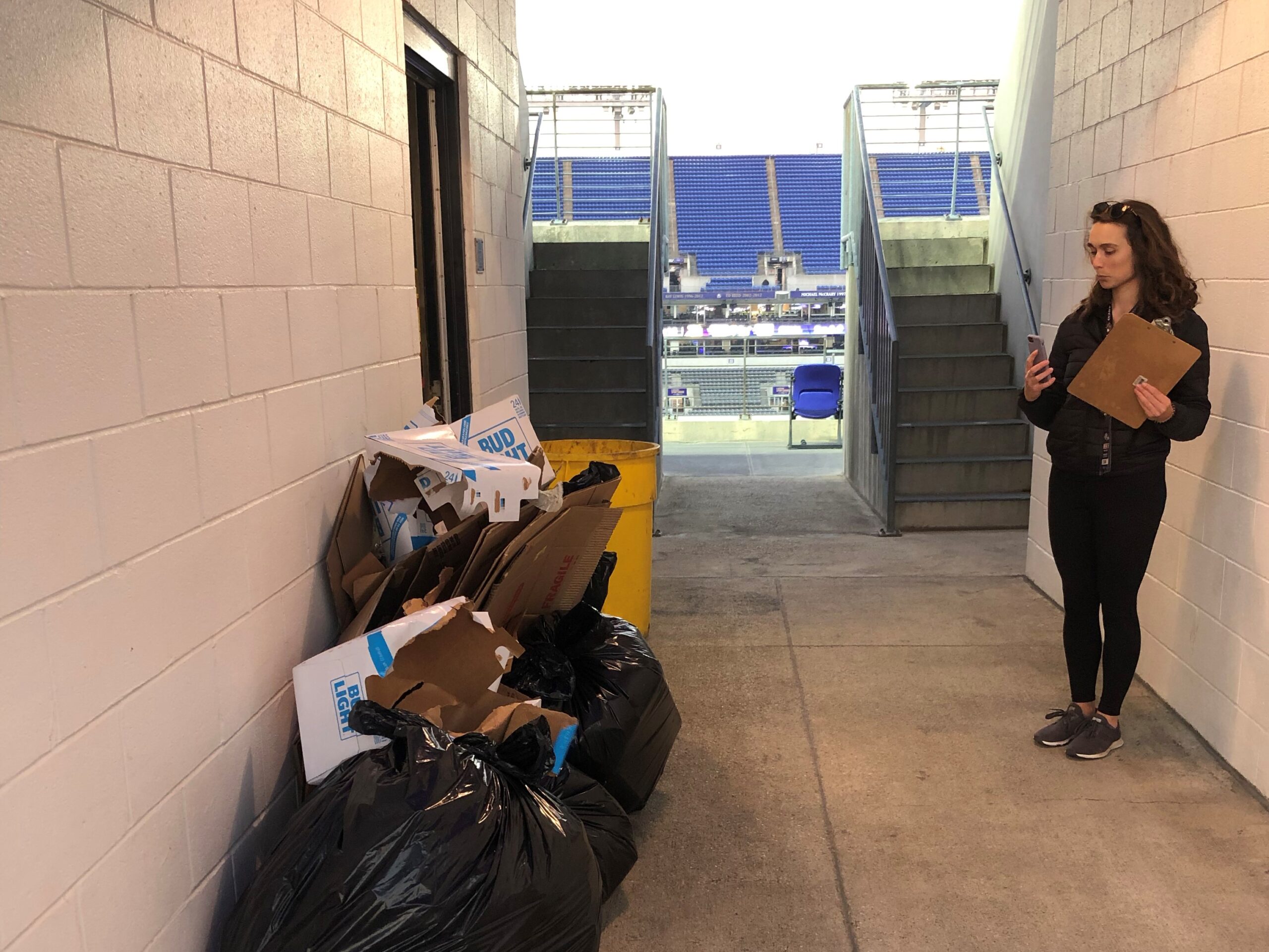
One week you could be at a major sports venue helping improve massive influx of waste for major events, and the next you might be at a healthcare facility assessing identifying donation opportunities and training staff of all levels.

You might find yourself "rocking the bunny suits" while performing visual audits in hospital operating rooms to track program progress.

System Design and Implementation
Reduction In Motion supports organizations through the full implementation of new waste programs. We take what was learned in the field and translate it into systems that work in real environments. That means designing setups that are clear, consistent, and built around our findings
You’re thinking through details that most people overlook. Where a bin sits. How a lid functions. Whether signage makes sense in a fast-paced moment. From there, you help bring it to life. You’re on-site installing, adjusting, and working through the realities of implementation alongside the client.
What you’ll be doing:
- Designing bin systems, signage, and waste flows based on real conditions
- Supporting installation of infrastructure and program rollouts
- Adjusting layouts and setups based on on-site feedback
- Coordinating with operations teams during implementation
- Contributing to programs tied to compliance and certifications (e.g., state-wide food laws, business recycling requirements, LEED certification, TRUE Zero Waste)
Team insights
-
“You have to meet people where they are and design systems that make the right choice easier in the moment.”
-
Color-coded bin system for a healthcare facility

We helped launch a new waste management plan with standardized bins, labels, and signage designed to improve waste separation across departments.
Food production facility signage program

After virtual consultations, we installed bold sorting signage at a high-volume food plant to help employees properly separate scraps, packaging, and other materials.
Do trash talkers need to travel?
While we are rooted in Maryland, our "professional trash talkers" travel wherever the challenges are, from local offices to special projects across the United States.

Staff Training & Engagement
Even the best waste system will fail without proper training. This part of the work is about connecting directly with the people who use the system every day. You’re on-site with staff, walking through processes, answering questions, and helping them understand how waste flows through their environment.
What you’ll be doing:
- Leading on-site staff trainings across different roles and departments
- Supporting dock teams and operational staff with process-specific guidance
- Assisting with event waste sorting and real-time troubleshooting
- Reinforcing systems through signage and clear communication tools
- Engaging teams to reduce contamination and improve consistency
By building awareness and engagement, organizations can maintain long-term success and avoid contamination issues.
Team insights
-
“We work with universities where individuals are at a critical period for learning. When they see new disposal labels on campus or see us walking around for assessments, it might inspire someone to pursue a career in waste management like it did for me!”
-
“Many times, we schedule on-site training because face-to-face conversations are more effective. That’s what actually helps shift behavior and improve how programs perform.”
-
“It’s not something that can be solved overnight. It requires constant education, communication, and the right infrastructure in place.”
Dock training for food service teams
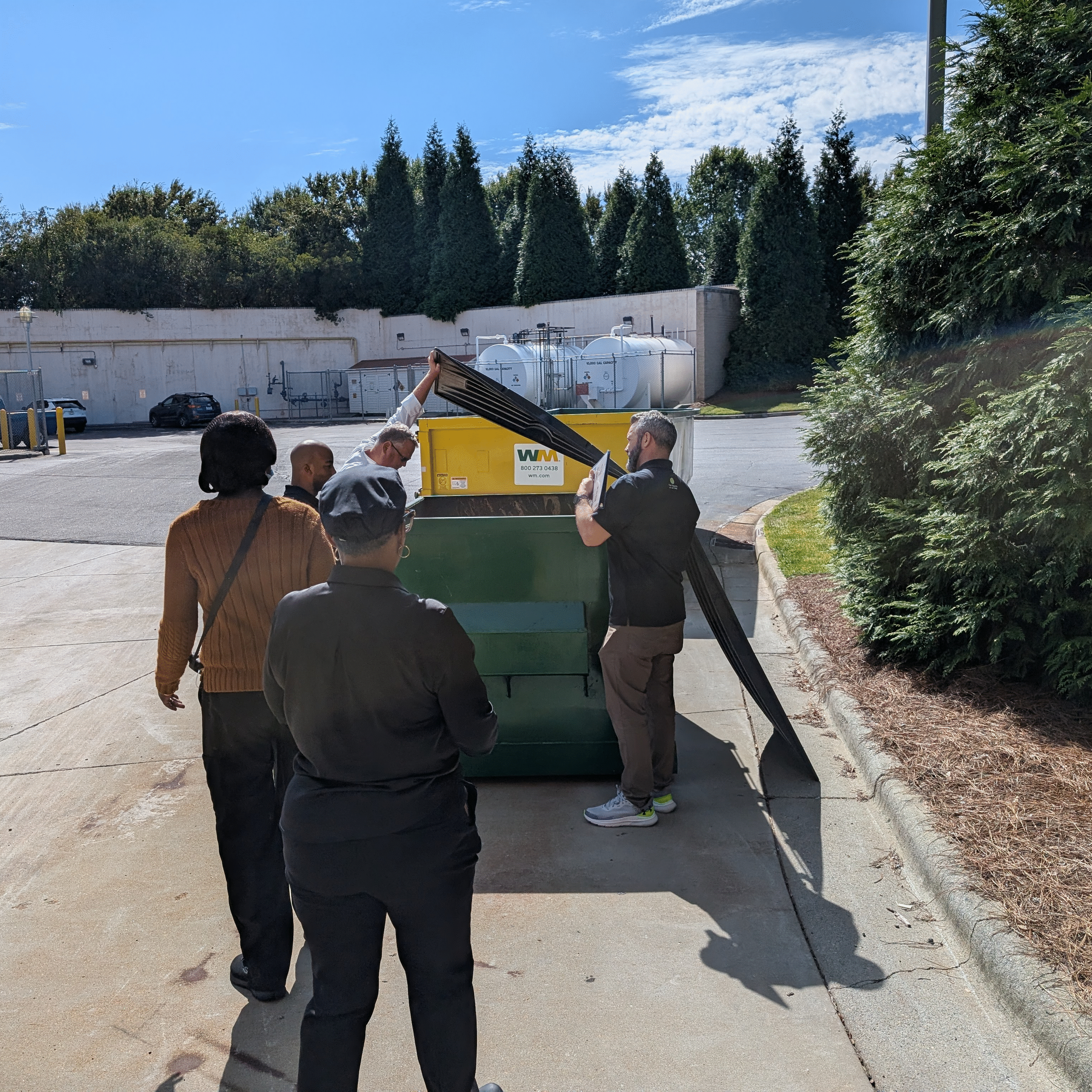
We coached staff on proper compost sorting and demonstrated where waste streams should be managed during daily operations.
Event staff training for waste sorting

Before major events, our team trains staff on post-event sorting procedures to ensure waste is handled correctly from the first whistle.
A Culture of Engagement and Education
Our team leads hundreds of education sessions each year, and that experience is passed down, practiced, and developed across the team. You’re given opportunities early to build confidence, contribute, and grow into leading conversations yourself.
Learning here is constant, so you’re not hired to stay in one lane. As your understanding grows, so does your role, taking on more responsibility, more ownership, and more influence in how work gets done.
Monitoring & Improvement
Our best work doesn't have an end date. Even after audits and implementation, we will return to active sites to measure performance, validate results, and understand how changes are holding up in real conditions.
You'll be tracking diversion, identifying where contamination is creeping back in, and spotting where processes are breaking down as operations evolve.
What you’ll be doing:
- Conducting follow-up audits to track performance over time
- Measuring diversion rates and verifying reported data
- Identifying recurring contamination and operational gaps
- Evaluating how programs are functioning in real conditions
- Recommending adjustments to improve long-term results
Waste systems don’t stay fixed. They require ongoing attention to perform.
Team insights
-
“Implementing a waste program requires trial and error. What matters is staying engaged and continuing to improve it over time.”
-
"Waste is an ever-changing landscape—the materials and the people handling them are always shifting.”
-
“What works today very much will need to be reviewed again in the future and modified.”
Event diversion verification

A post-event audit confirmed that a large event achieved zero-waste status with over 90% diversion from landfill.
Regulated medical waste review

We evaluated the impact of a right-sized medical waste program designed to reduce unnecessary red-bag waste generation.
Ready to join our team of professional trash talkers?
Discover the rewarding experiences that come with being a part of our team, where your career is not just a job but a meaningful journey. Browse through our current job openings, learn more about our company culture, and envision how you can contribute to our vision of positive change.
Team insights
-
“Reduction In Motion isn’t a tech company or in the business to sell the coolest new product. We gather necessary data for our clients to make informed decisions and get them to their goals efficiently. Waste is ever-changing, so what works today will need to be reviewed and modified in the future.”
-
“You build knowledge by being in the field and working through real situations. Over time, that experience allows you to take on more responsibility and play a bigger role in improving how systems operate.”
-
“There’s a lot of shared experience on the team, and people are always willing to help you figure things out. You’re constantly learning, not just from the work, but from the people around you.”