
Waste Audits That Identify Gaps and Unlock Potential
Most organizations are improperly separating their waste and overpaying to do it.
Why?
Because most organizations don't have visibility into what they're throwing away, how, why, and what it's costing. A waste audit is the best way to gather this information, but only if it's designed to meet your needs and your budget.
What We Typically See
Waste audits are one of those things that everyone knows should get done, but no one really owns. It usually gets pushed to facilities, sustainability, or EHS—on top of everything else they’re already managing. The result is it either doesn’t happen, or it gets done at a surface level without the time or structure needed to produce useful data.
A proper audit takes planning, coordination, and follow-through. Without that, it turns into another task that starts with good intentions and goes nowhere.

How It Works
Our team first spends time to understand your goals before we even sign a contract. Our company has conducted hundreds of waste audits in all shapes and sizes. It's important that we build a waste audit scope that meets all your objectives while best utilizing our time.
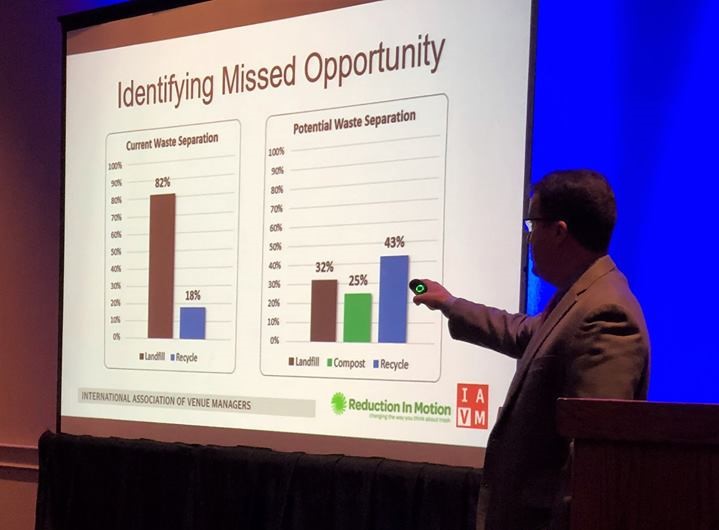
The most common waste audit involves hand sorting a sample of waste to determine its current and potential separation. This could include hand sorting all waste generated in a day or even a series of mini-audits to capture a specific area or operational function.
Beyond traditional waste composition audits, our company can also fully evaluate all aspects of your waste management program including policies, procedures, training, communication, contracts, data tracking, rounding, and more. Whether your site has goals to improve compliance, sustainability, or both; these assessments are sometimes the only way to develop the comprehensive action plan needed to implement sustainable behavior change in your organization.
The outcome of any waste audit is not a report for reference. It is a set of clear, actionable steps tied directly to cost, performance, and compliance.
Who This Is For
Any organization can benefit from a waste audit, but facilities where waste is complex, distributed, or high-volume will benefit most.
This includes environments such as:
- Hospitals and healthcare systems
- Universities and large campuses
- Manufacturing and industrial facilities
- Corporate campuses and multi-building operations
If multiple waste streams, departments, or vendors are involved, the likelihood of inefficiency is high, and so is the opportunity.
