
The Compost Clues You Might Be Missing: Celebrating Compost Awareness Week
Celebrating International Compost Awareness Week by Connecting the Full Circle
International Compost Awareness Week is a timely reminder that composting is more than a sustainability trend. It’s one of the most impactful tools available to reduce landfill waste and create something valuable in return.
For organizations with any type of food service operation (full kitchen, dining room, café, coffee station, or catering program) compost is a critical piece of overall waste diversion. In many facilities, organic material represents one of the largest portions of the waste stream by both weight and volume.
When captured correctly, compost can reduce disposal costs, minimize torn trash bags and compactor messes, and even lower the risk of staff injuries, all while advancing your environmental goals. But success in composting often lies in the details; particularly in the places that are easy to overlook.
Start Where Composting Success Is Easiest
The most effective compost programs often begin in food prep areas. Back-of-house stations generate clean, consistent materials such as produce trimmings, eggshells, and coffee filters. Because these materials are relatively free from contamination, they are the simplest to separate and collect. For organizations launching or strengthening a program, prep stations provide a strong operational foundation.
If trays or plates are returned to a central dish room or kitchen, post-consumer scraps present another significant opportunity. Scraping leftover food into a compost bin before dishwashing can capture a meaningful volume of organic material with minimal disruption. Especially when the process is built into existing workflows and is managed by trained staff (intead of relying on customers).
Coffee is another underestimated contributor. Even in offices that don’t consider themselves “heavy coffee drinkers,” audits routinely reveal surprising volumes of spent grounds. Formal coffee shops or cafes and small breakroom stations alike generate steady compostable material. Grounds and paper filters typically belong in compost streams (just keep those traditional plastic K-cups out of the equation). Focusing on this material can improve diversion with very little effort.
Paper towels are another high-volume material that is often overlooked. In many facilities, restroom paper towels can be composted (just be sure to confirm they’re accepted by your hauler or composting site). Because they are generated daily and in large quantities, capturing this stream can substantially increase diversion rates just ensure you have the capacity to accept this bulky material.
Designing a Commercial Composting Program That Works
Strong compost programs are built on data and thoughtful design. Before expanding or launching an initiative, conduct visual (or, ideally, physical hand-sort) waste audits to validate what materials are being generated, where they are generated, and in what approximate quantities. Assumptions often miss key streams; these audits provide clarity.
From there, determine the preferred collection method. Consider container size, signage clarity, back-of-house flow, and how materials will move from generation point to final pickup. Selecting a hauler that aligns with your volume and service needs is equally important.
Education should be specific to each location. Generic signage that attempts to cover every possible item often creates confusion. Instead, tailor messaging to reflect the actual materials generated in that space. When staff understand exactly what belongs in the bin, and why, participation and accuracy improve significantly.
Once a program goes live, monitoring becomes essential. Regular spot checks, quick feedback, and early correction prevent contamination from becoming entrenched. Compost programs thrive when reinforcement is consistent.
Use Data to Track Composting Performance and Improve Results
Monitoring your program with data is essential to maintaining and improving compost performance. Regularly reviewing your results helps identify new collection opportunities, missed streams, or areas where contamination may be creeping in. Several strategies can help:
- Visual audits – Quickly assess bin contents at each station to spot obvious contaminants or underutilized streams.
- Station-by-station reviews – Walk through each area systematically to understand where organic material is being generated and how efficiently it’s being collected.
- Physical hand-sorts – Periodically sort through waste to quantify exactly what’s being composted, what’s going to landfill, and where contamination occurs. Beware – this may get messy!!
- Hauler feedback – Your composting hauler can provide insights on material quality, contamination trends, and operational issues identified during pickups.
Using these data-driven approaches ensures your program is continually refined, allowing you to maximize diversion, improve staff engagement, and catch potential problems before they escalate.
Common Compost Contaminants to Watch For
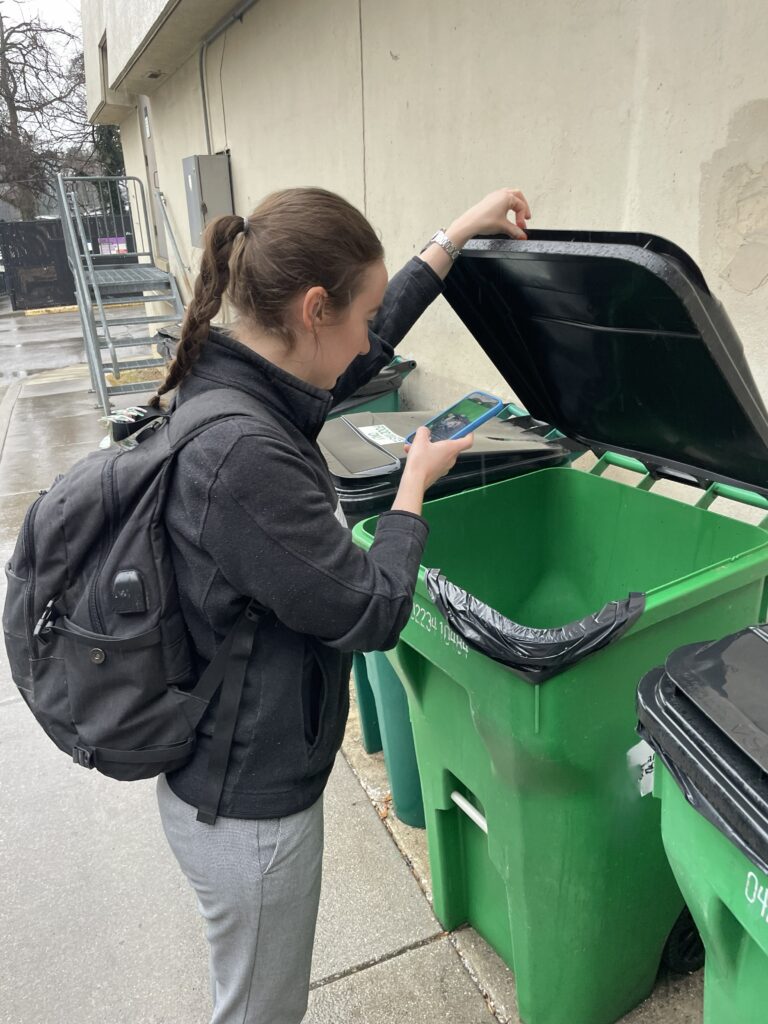
As composting expands nationwide, contamination remains a persistent challenge. A few small items can create significant downstream processing issues. Be especially mindful of:
- Non-compostable paper products & other food packaging
- Produce stickers and rubber bands
- Individual butter packets and creamers
- Plastic wrap and gloves
Clear education and routine monitoring can keep these common contaminants out of the compost stream.
Close the Loop: Turning Compost Into Operational Value
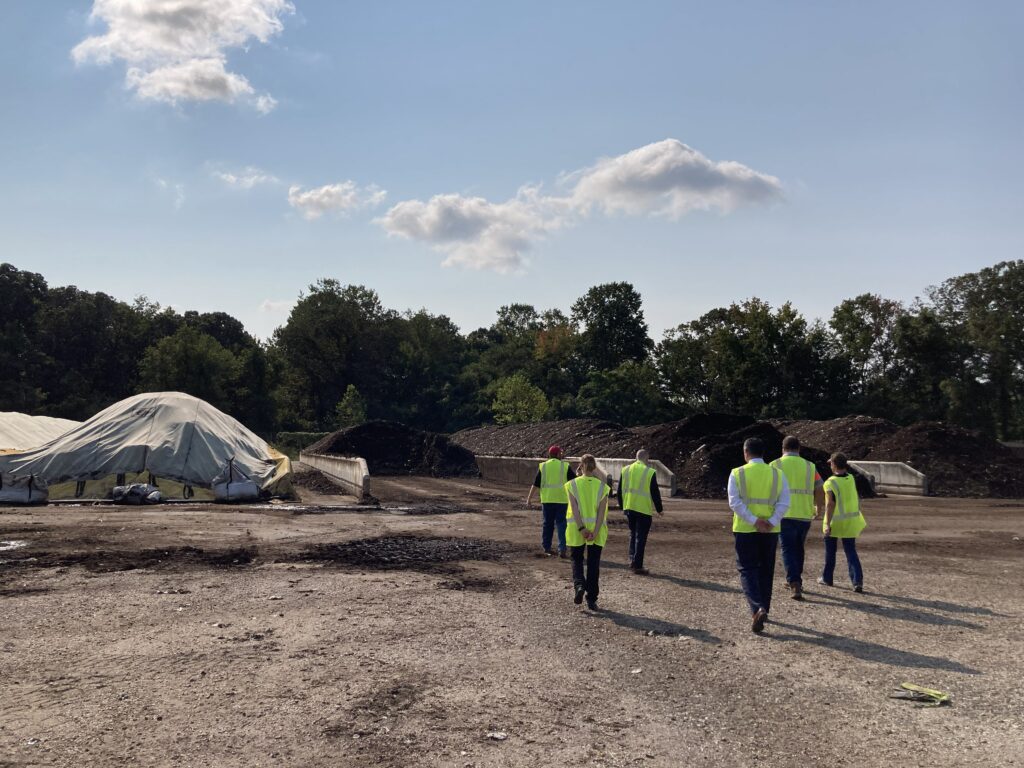
Composting is not just about diverting waste from landfill but also creating value. Finished compost is a nutrient-rich soil amendment that improves soil health without harsh synthetic chemicals.
Some compost haulers offer rebates or discounted compost for customers. Organizations can use this material in landscaping, install native plant beds, host community tree plantings, or even offer compost to staff and local community members for home gardens.
Making the outcome visible reinforces participation. When employees and stakeholders see thriving plants or restored soil tied directly to their efforts, composting surpasses “just being about waste management” and truly becomes stewardship.
Ready to Strengthen Your Composting Program?
Whether you’re starting from square one or looking to expand an existing initiative, composting success begins with a thoughtful assessment. Understanding your waste streams, operational flow, and education needs ensures the system is built to last.
At Reduction In Motion, we begin with a site assessment to evaluate opportunities and design the right-fit setup for your space. From infrastructure and signage to training and monitoring, we help organizations create compost programs that are practical, effective, and measurable.
This International Compost Awareness Week, we celebrate compost but also celebrate the overlooked pieces, close the loop, and build a system that truly grows.
For those that have an existing composting program and wish to “level up” be sure to check out our blog from last year – “Compost Awareness Week: Time to Level Up Your Organics Program.”

Our team of sustainability and waste consultants work together to develop content for our site. Contact us to learn more about something we’ve written about or would like us to focus on in the future.
Newsletter
Keep up to date with the latest from the Reduction In Motion team.