
How to Turn Earth Month Into Measurable Results With a Waste Audit
Earth Day may last 24 hours but Earth Month offers an opportunity to create measurable change. For hospitals and large organizations, awareness campaigns are easy. Staff behavior change and real waste diversion improvements require structure, data, and engagement.
If you want to move the needle this Earth Month, the most effective starting point is a structured waste audit paired with hands-on staff engagement. Here’s 5 simple steps to make it count!
1. Make It Interactive and Educational
Successful sustainability initiatives go beyond posters and reminder emails. In-person engagement creates opportunities for meaningful, personalized interactions that meet people where they are and make sustainability relevant to their daily work and routine.
Consider hosting:
- Recycling or compost sorting games or relay races
- Waste sorting demonstrations
- Sustainability trivia or challenges
- An educational table or mini sustainability fair
These experiences create space for conversation, correct common recycling mistakes, and clarify how everyday actions impact waste streams.
Recycling opens the door, but the true opportunity is in what comes next. Once engagement starts, you can introduce broader conversations about:
- Composting programs
- Regulated medical waste separation
- Sustainable procurement
- Waste diversion strategies
When people feel involved rather than instructed, behavior change lasts well beyond Earth Month.
2. Show the “Why” Behind Waste Diversion
One of the most effective ways to improve participation is to show what actually happens to your waste.
Consider:
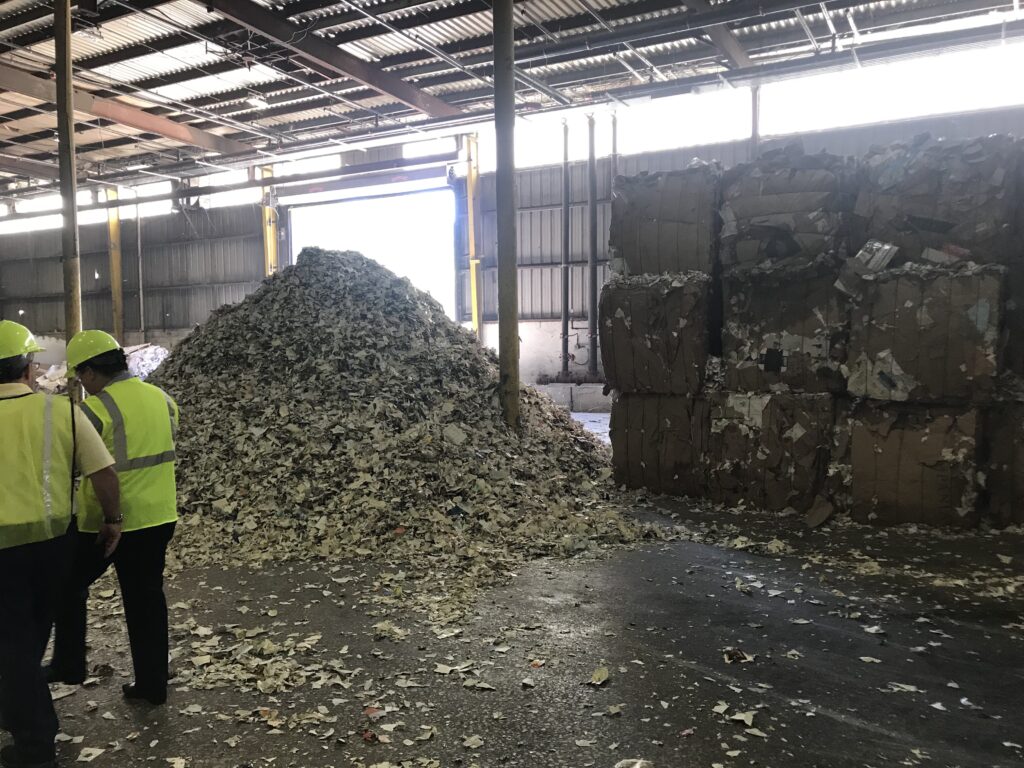
- Touring a Materials Recovery Facility (MRF)
- Visiting a composting facility
- Sharing operational videos or facility walkthroughs
Waste doesn’t just disappear. Therefore seeing waste systems firsthand highlights:
- The value of proper recycling
- The operational impact of contamination
- The financial implications of poor sorting
What’s accepted in recycling streams has changed dramatically in recent years. Even well-intentioned employees can unintentionally contaminate loads resulting in rejected materials, higher hauling costs, and lost diversion opportunities. Education tied to operational reality drives better long-term results.
3. Take Action Outdoors With a Cleanup
Earth Month is the perfect time to take visible action. Partner with nonprofits, community groups, or peer organizations to organize:
- Campus cleanups
- Park or neighborhood litter pickups
- Shoreline, river, or beach cleanups
Cleanup initiatives are much more than “just picking up trash” as they have long lasting impacts that:
- Protect wildlife and habitats
- Prevent long-term environmental damage
- Build community pride
- Strengthen internal culture
They also create a natural opportunity to discuss upstream waste prevention rather than just focusing on downstream cleanup. A little friendly competition (like a prize for the most unusual item collected) keeps participation high and engagement strong.
4. Use a Waste Audit to Drive Measurable Improvement
Awareness is powerful. Data fuels change.
Earth Month is the perfect time to take a closer look at your waste stream. Whether you scale up to a full operational assessment or start with a targeted sample audit, any level of measurement is a step in the right direction.
A structured waste audit can:
- Establish or refine your waste baseline
- Identify diversion opportunities
- Reveal contamination trends
- Uncover hidden hauling costs
- Clarify your true trash-to-recycling ratio
Many organizations rely solely on tonnage reports from a single hauler. However, a comprehensive waste audit process accounts for multiple streams, including:
- Confidential paper
- Electronics
- Compost/Organics
- Donations
- Regulated waste (where applicable)
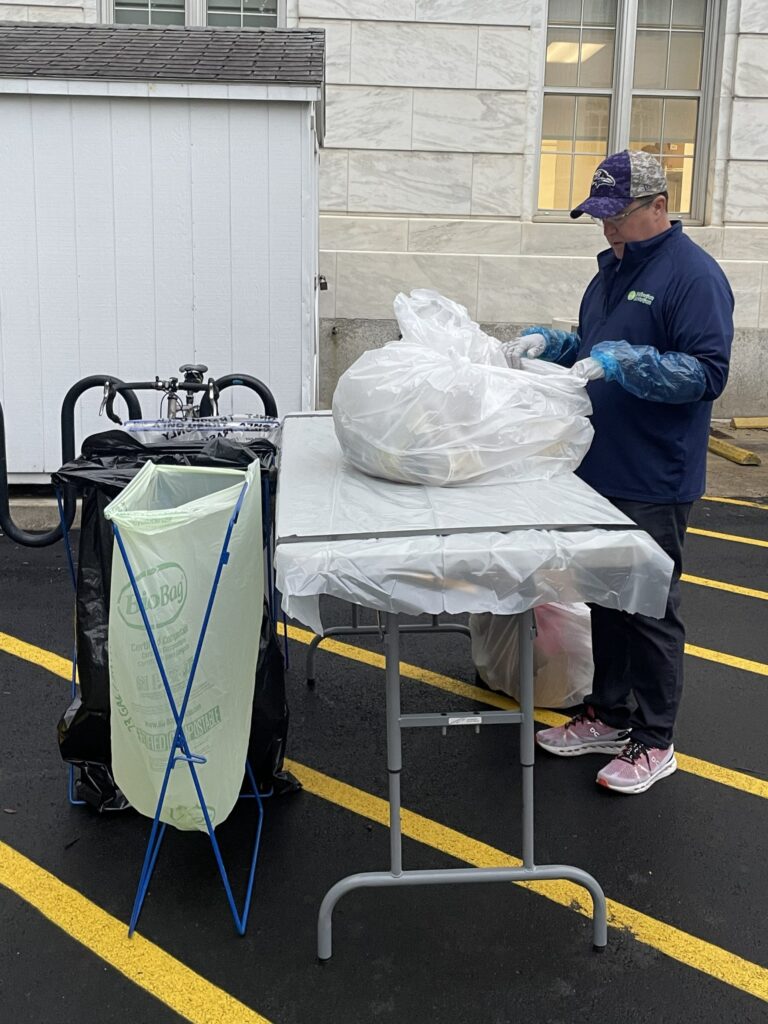
Waste data often lives in invoices, vendor reports, and operational blind spots. A professional audit methodology pulls those pieces together into one clear performance picture. For hospitals and complex facilities especially, even small improvements in waste separation and diversion can translate into significant cost savings and compliance benefits.
This work isn’t for the faint of heart. Earth Month is the catalyst – but the audit is what drives year-round performance improvement.
5. Celebrate Progress and Build Sustainability Champions
Programs succeed when people feel ownership.
Build momentum by:
- Highlighting sustainability champions
- Sharing waste diversion improvements
- Celebrating program milestones
- Encouraging reusable habits
- Piloting waste-free zones
Recognition builds momentum. It embeds sustainability into measurable operations rather than symbolic gestures.
Earth Month is the ideal time to elevate past successes, invite fresh ideas, and identify internal champions who can carry initiatives forward. The goal isn’t a one-month campaign. It’s a cultural shift supported by data and operational clarity.
Make Earth Month Count
Earth Day raises awareness. A waste audit turns awareness into action.
When education, engagement, operational transparency, and data come together, organizations move closer to meaningful waste diversion and measurable cost control.
If you’re evaluating your waste audit process or looking to better understand where your materials (and your $) are going, this is the time to act.
Follow us on LinkedIn for ongoing insights into waste audits, diversion strategies, and practical sustainability improvements that balance environmental responsibility with operational realities.
Let’s make every month Earth Month.
Frequently Asked Questions About Waste Audit
What is a waste audit?
There are a variety of types of waste audits. But, the root of an audit is a structured review of an organization’s waste streams to understand what is being generated, how it is being sorted, and where it is going, and what it is costing.
How do you conduct a waste audit?
The waste audit process typically includes:
- Data collection from haulers and vendors
- Physical waste sorting
- Invoice and contamination review
- Identification of diversion opportunities
- Reporting and recommendations
What are the benefits of a waste audit?
The benefits of a waste audit is knowledge. When that knowledge is paired with an action plan outcomes often include:
- Reduced waste hauling costs
- Improved recycling performance
- Increased diversion rates
- Lower contamination
- Better vendor accountability
- Clear sustainability metrics
Do hospitals need specialized waste audits?
Hospitals and healthcare facilities often require more detailed waste audits due to regulated waste streams, compliance considerations, and higher material complexity. A tailored waste audit methodology ensures all streams are accounted for properly.

Our team of sustainability and waste consultants work together to develop content for our site. Contact us to learn more about something we’ve written about or would like us to focus on in the future.
Newsletter
Keep up to date with the latest from the Reduction In Motion team.