
Waste Audits in Higher Eduction: Takways from AASHE 2026
There was something especially fun about welcoming the Association for the Advancement of Sustainability in Higher Education (AASHE) to host their 2026 Expo & Conference in Baltimore, our hometown, and seeing so many people from across higher education come together in one place. There was a real sense of community in the room, with sustainability teams, campus staff, students, faculty, food service and custodial teams, and fellow consultants and partners all contributing to the conversation.
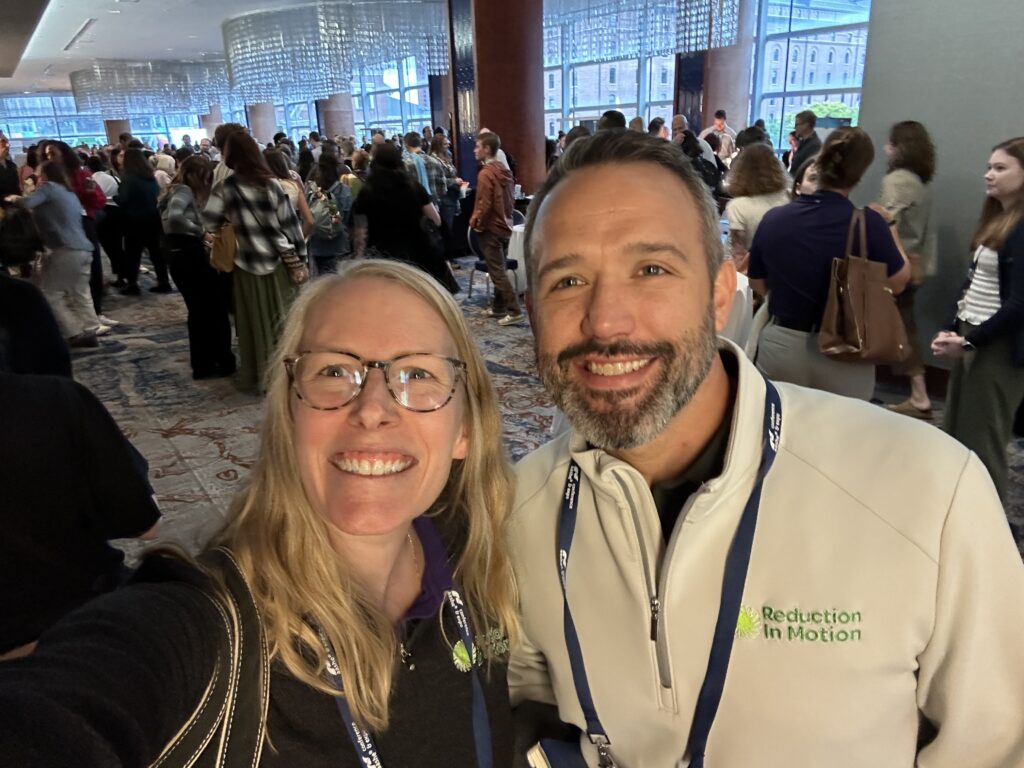
It was great to see Baltimore show up for the sustainability community, along with so many friendly faces from Johns Hopkins University, Loyola University, University of Maryland University of Richmond, Virginia Tech, and beyond. The conference felt especially refreshing given the very real pressures facing higher education right now. The agenda was packed, but it wasn’t just big-picture conceptual conversations. There were tangible ideas, lessons learned, emerging technologies, and examples of what campuses are doing to move sustainability and climate goals forward.
Not surprisingly, we walked away thinking a lot about waste. There was a clear sense that many campuses are facing similar challenges, from appropriate waste management planning for major waste generator events such as move-out, sporting events, and graduation to food waste, reusable bottles and takeout containers, and the ongoing struggle with stagnant diversion rates. And underneath all of it is a common challenge: getting good, accurate waste data, when hauler reporting can be limited, inconsistent, or sometimes nonexistent. It was encouraging to see new technologies and approaches emerging to help tackle some of these persistent issues, but also a recognition that there is no silver bullet. Waste streams change, people change, and campuses change, which means the work can’t be “set and forget.” Whether a sustainability team is one person or eight, there are a lot of people continuing to push forward, often while juggling a variety of priorities. That persistence and positivity was one of the most inspiring parts of the conference.
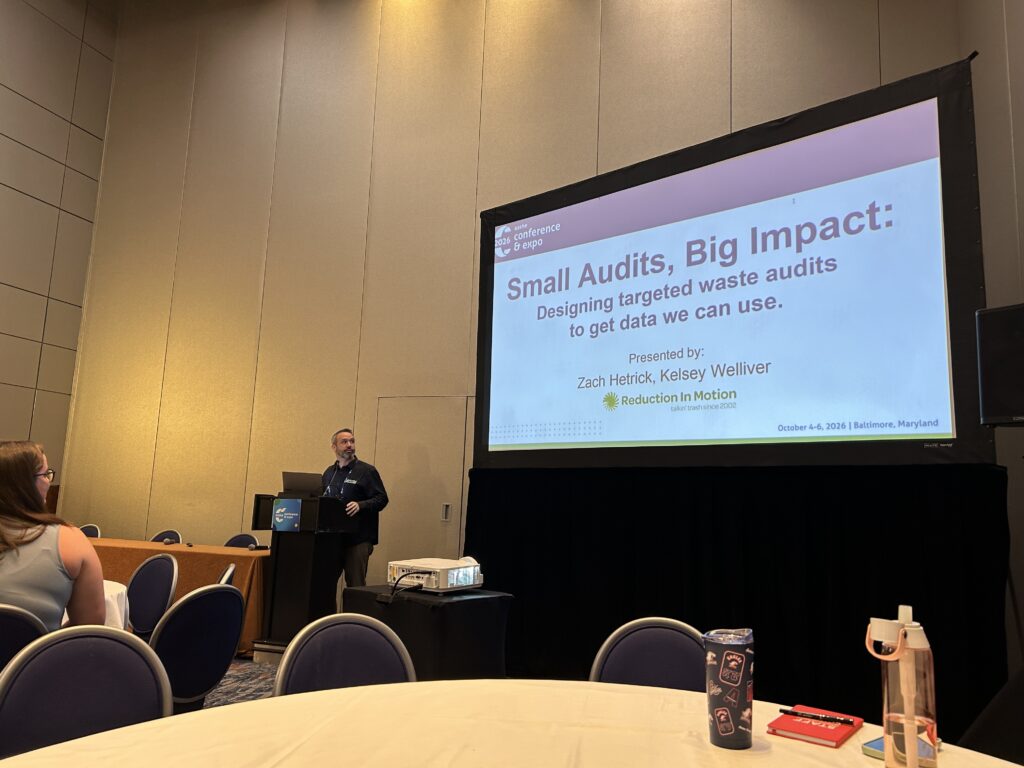
Sustainability isn’t always something you can see. Waste is. And that makes the humble trash and recycling bin one of the most visible, everyday touchpoints for sustainability on a campus. That visibility can be powerful. Waste can be a starting point for getting people engaged and helping connect the dots to the sustainability work happening behind the scenes, from energy and water efficiency to sustainable purchasing, transportation, and climate action.
What message are your waste bins sending?
When was the last time you really looked at your waste program? A fresh assessment can uncover gaps, spark new ideas, and help turn zero waste goals into a plan.
We’ve done it with University of Richmond and others. Ready for a fresh look? Let’s talk.

Our team of sustainability and waste consultants work together to develop content for our site. Contact us to learn more about something we’ve written about or would like us to focus on in the future.
Newsletter
Keep up to date with the latest from the Reduction In Motion team.