
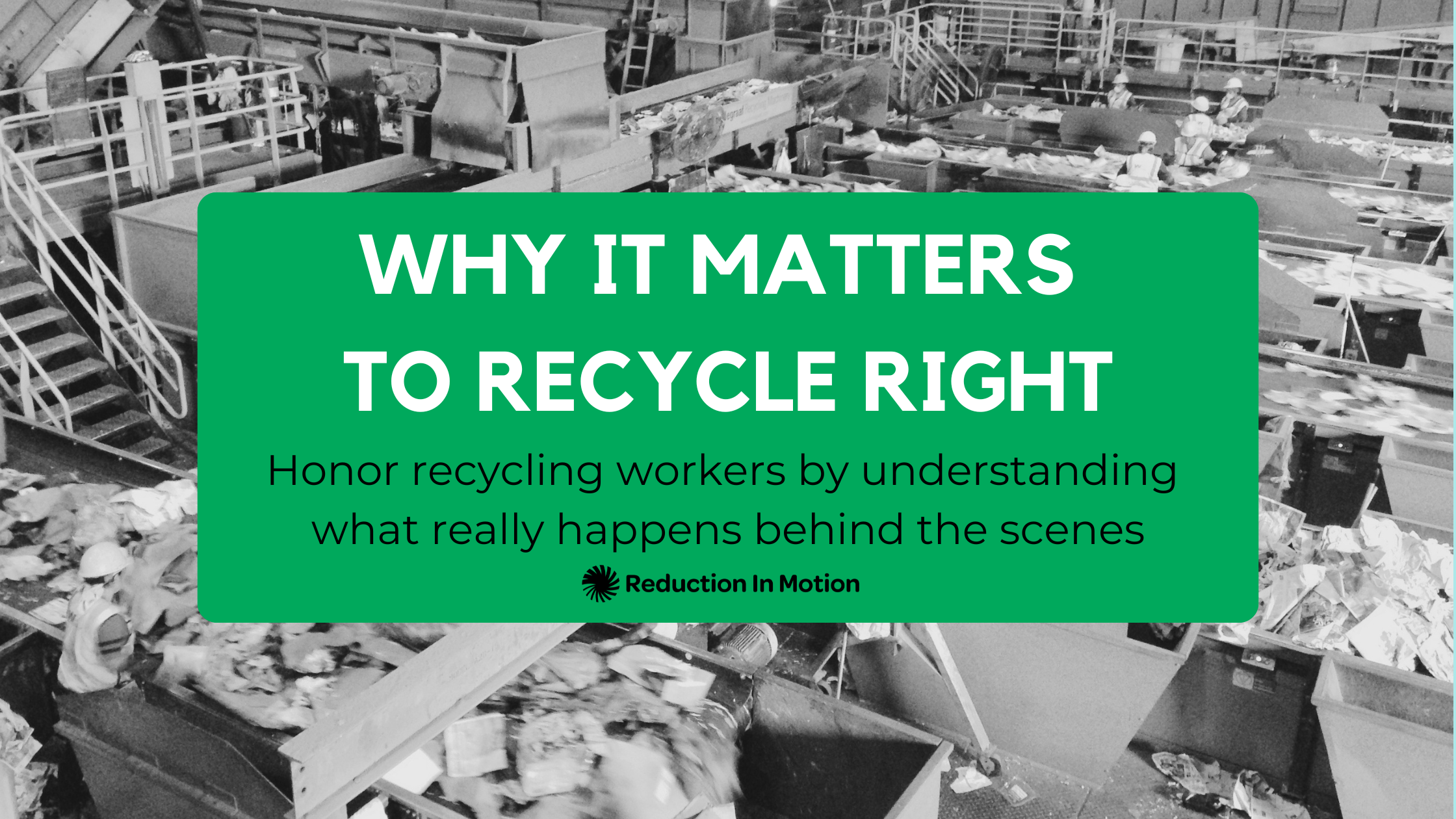
Celebrating Trash & Recycling Workers Day
Clean Streams, Safer Systems, and What Really Happens Behind the Scenes
Trash & Recycling Workers Day is a moment to recognize the essential workers who keep our communities clean, safe, and running smoothly. Collection drivers, sorters, mechanics, and facility operators work in every season and in all conditions to manage the materials we discard each day.
While we often focus on what goes in the bin, today is a reminder to think about who handles it next. The way we sort (or don’t) directly impacts worker safety, equipment performance, and the overall success of recycling programs.
Clean Recycling Is About Safety, Too
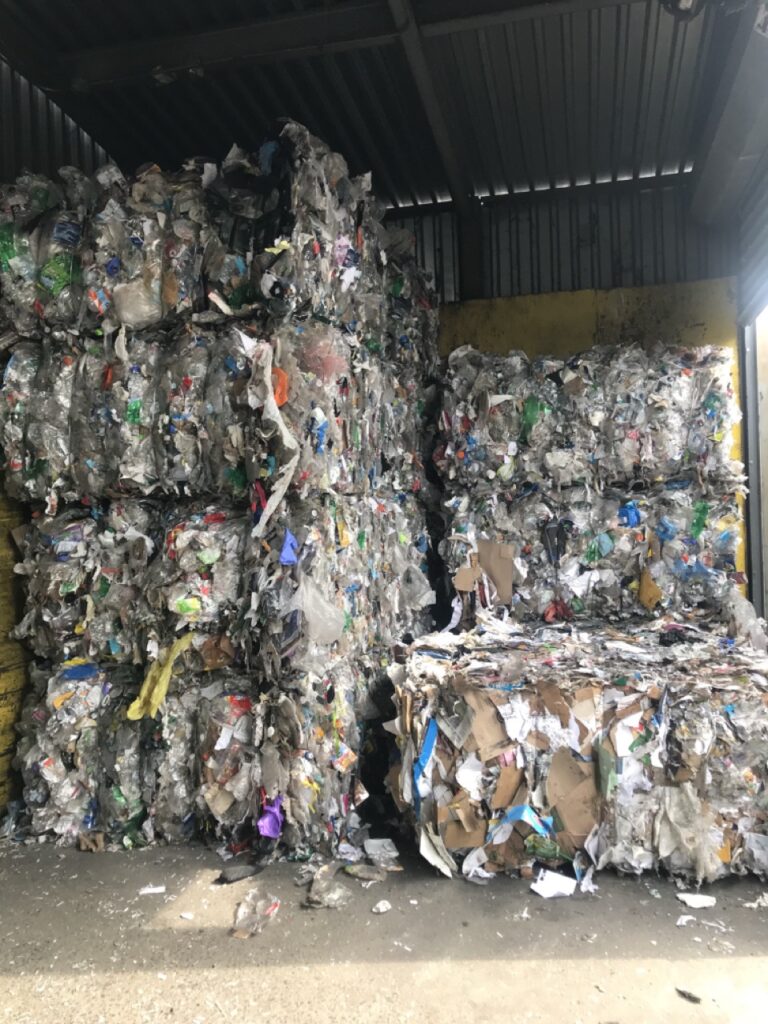
Contamination isn’t just a data point on a diversion report. It creates real operational and safety challenges for all those working in the waste and recycling industry.
Plastic bags wrap around sorting equipment, forcing shutdowns so workers can manually cut them free. Food residue can turn otherwise recyclable paper into landfill waste. Loose sharps or broken glass increase injury risk. Lithium-ion batteries, when improperly placed in recycling, can spark fires inside trucks or facilities.
Recycling right reduces these risks. If a material isn’t accepted locally, is heavily contaminated, or you’re unsure about it, it may belong in the trash. Recycling isn’t and shouldn’t always be focused on “recycling more” but rather recycling correctly and zeroing in on “quality over quantity”
Common Contaminants That Cause Big Problems
Even well-intentioned recyclers contribute to contamination. Some of the most disruptive items from organizations and in residential areas include:
- Plastic bags and plastic film (grocery bags, shrink wrap, etc.)
- Tanglers such as hoses, cords, and string lights
- Food-soiled paper and heavily greased pizza boxes
- Loose shredded paper
- Propane tanks or pressurized containers
- Batteries and small electronics
These materials jam equipment, slow down processing lines, increase fire risk, and often require manual removal. Small items can create big impacts.
What Happens After the Truck Drives Away? A Look Inside a MRF
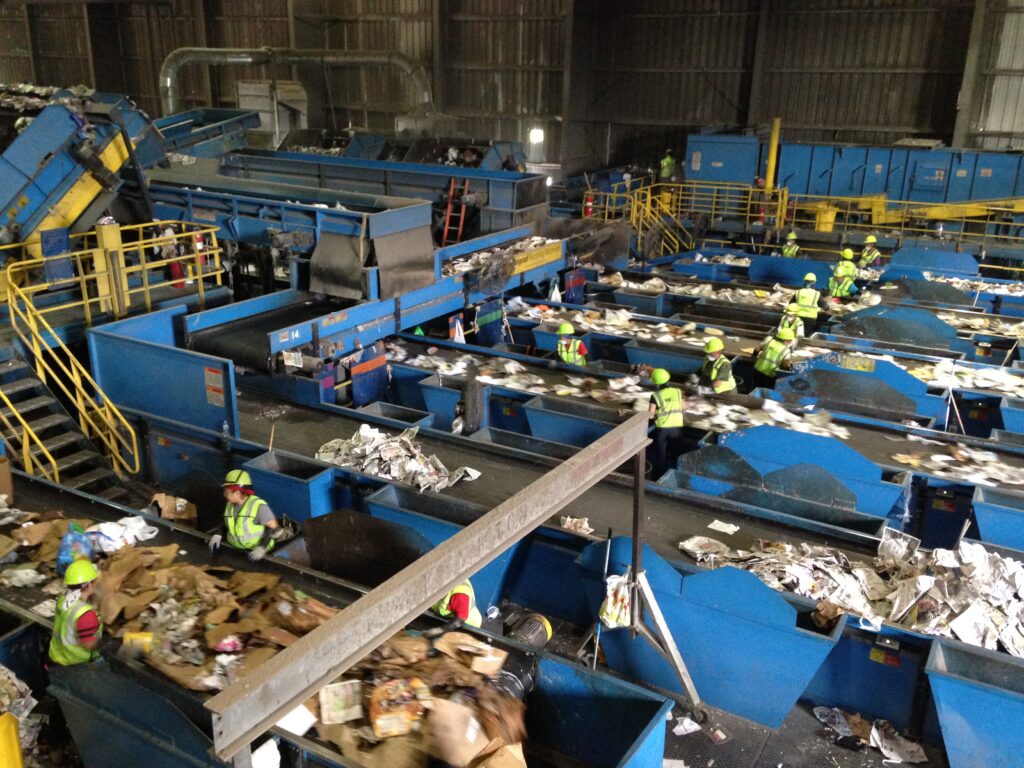
Most recyclables are sent to a Materials Recovery Facility (MRF). MRFs are highly engineered sorting facility designed to separate mixed materials into marketable commodities.
Here’s what typically happens behind the scenes:
- Tipping Floor: Trucks unload materials for initial inspection. Large contaminants may be removed.
- Mechanical Screening: Rotating screens separate cardboard and paper from containers.
- Magnets & Eddy Currents: Magnets remove steel; eddy current systems separate aluminum.
- Optical Sorters: High-speed scanners use infrared technology to identify and sort different plastic types.
- Quality Control: Workers manually remove contamination and ensure purity.
- Baling: Sorted materials are compacted into dense bales and shipped to manufacturers.
When loads are heavily contaminated, facilities slow down, additional labor is required, and entire loads can be rejected. Cleaner material keeps systems moving efficiently and safely.
Not All Recyclables Are Equal
Some materials are consistently strong performers in the recycling market. These are widely accepted and have reliable end uses:
High-Value / Strong Market Materials
- Aluminum beverage cans
- Corrugated cardboard (commonly referred to as OCC)
- Steel food cans
- PET (#1) plastic bottles
- HDPE (#2) bottles and jugs
These materials are easier to sort, have established buyers, and are more likely to be made into new products. Other materials, while sometimes technically recyclable, are less desirable or more difficult to process:
Lower-Value or Problematic Materials
- Clamshell containers (even if labeled #1)
- Multi-layer or mixed-material plastics
- Black plastic (often undetectable by optical sorters)
- Plastic utensils
- Small plastic pieces under 2 inches
- Heavily dyed or glossy paper
If your local program doesn’t specifically accept them, placing them in recycling may create contamination rather than diversion. Recycling systems are designed for specific materials rather than not everything that “looks” recyclable
Recycling systems are designed to process specific materials rather than everything that looks recyclable. One of the biggest sources of confusion is the familiar “chasing arrows” symbol. Many people assume that if an item has the arrows on it, it must belong in the recycling bin. In reality, that symbol often simply identifies the type of plastic resin used in manufacturing but does not guarantee that the item is accepted in your local recycling program.
Understanding the difference between a resin code and actual recyclability is key. Recycling works best when we focus on materials the system is truly built to handle versus just those stamped with a symbol.
Simple Actions That Make a Big Difference
On Trash & Recycling Workers Day, one of the most meaningful ways to show appreciation is by committing to cleaner recycling habits:
- Empty and lightly rinse containers
- Keep recyclables loose – never contained in a bag
- Leave plastic bags out of curbside carts
- Keep batteries out of both trash and recycling (use proper collection programs)
- Follow your local recycling guidelines
These small actions reduce manual handling, prevent equipment damage, and lower injury risks for the people working behind the scenes.
Recognition and Responsibility
Waste and recycling workers protect public health, support the circular economy, and keep materials moving day after day. Their work is physically demanding, fast-paced, and often unseen.
Trash & Recycling Workers Day needs to go beyond recognition to highlight the importance of shared responsibility. Cleaner streams mean safer facilities. Safer facilities mean stronger recycling systems.
Today, we celebrate the people who make it all possible and recommit to doing our part to keep their work safer and more effective.

Our team of sustainability and waste consultants work together to develop content for our site. Contact us to learn more about something we’ve written about or would like us to focus on in the future.
Newsletter
Keep up to date with the latest from the Reduction In Motion team.